Gray — More ∞ Joy
Gray: The Presence of All Color
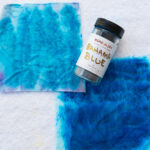
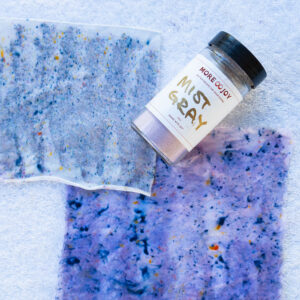
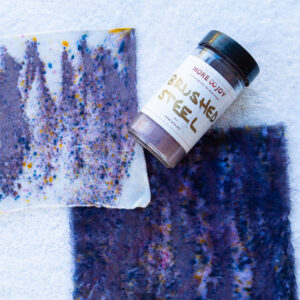
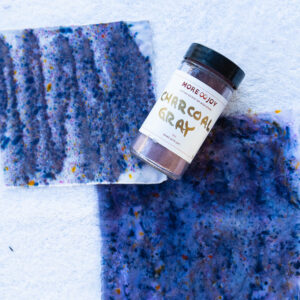
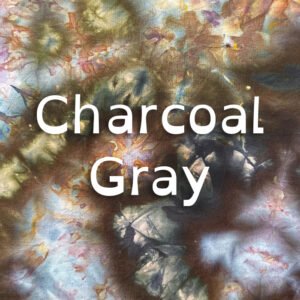
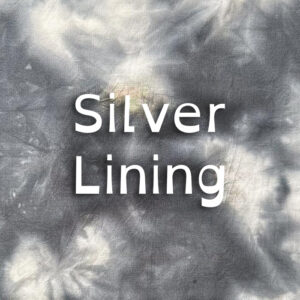
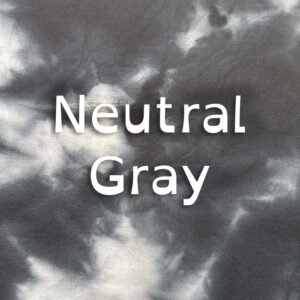
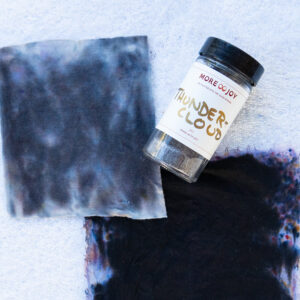
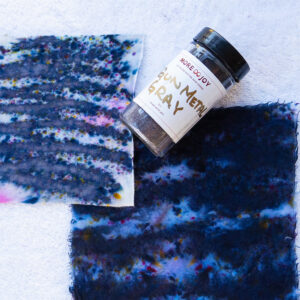
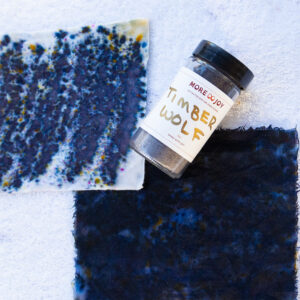
Gray is not the absence of color — it's the presence of all of them, muted. The right gray carries extraordinary sophistication; the wrong one disappears. Cool grays like Blue Gray and Mist Gray feel airy and clean; warm grays like Pewter and Charcoal Gray have just enough depth to feel substantial; deep grays — Timber Wolf, Thunder Cloud, Gunmetal Gray — anchor a palette the way black does, with more nuance.
Reach for it when
- You want to let other elements of your look carry the color story
- You need sophisticated neutrality that reads as intentional, not invisible
- You're building a palette anchor that works with everything
Let it rest when
- You need energy, warmth, or forward visibility — gray steps back
More ∞ Joy dyes in this family
Hue Position
Gray is the absorption of all visible light. In practice our richest grays carry undertones — blue-black, brown-black — each with their own quiet frequency.
Undertones
Warm grays lean toward brown-umber tones. Cool grays lean toward blue and navy depths.
Chroma Range
From soft & muted (earthy, wearable) to vivid & clear (bold, expressive) — 15 shades spanning the full spectrum.
Frequency
No reflected wavelength. All frequencies absorbed. The fertile ground of all color.
Color History
A History Written in Gray
Gray was the first ink — charcoal and bone black from the first fires, used to draw bison and hands on cave walls. In ancient Egypt, black was the color of fertile Nile silt and of Osiris, god of regeneration — black was life. In ancient Rome, black garments signified grief, a tradition that spread across European cultures and endures today. Japanese sumi ink, made from pine soot and animal glue, produced the fluid blacks of ink wash painting that became inseparable from Zen philosophy. The development of India ink and later synthetic carbon blacks standardized black as the foundational mark-making medium of civilization.
Color Psychology
How Gray Works on the Mind
Gray is authority, sophistication, and mystery. It is the color of things taken seriously. Gray creates visual weight and gravitas — a quality no other color can replicate. It is also the color of protection, of boundary, of the night that holds space for rest and the unknown. Gray does not perform. It simply is.
Energy & Frequency
The Vibration of Gray
Energy Work & Chakra Correspondence
Gray contains all colors within it, as all frequencies are absorbed rather than reflected. In energy traditions, gray is the color of the void — not of emptiness, but of potential. It is the silence before sound, the space before form. Working with gray is an act of depth, of going into rather than outward.
Light, Wavelength & Physics
Gray is not a frequency — it is the absence of reflected frequency. A perfectly gray surface absorbs 100% of incoming light, converting it to heat. In practice, our richest blacks still contain undertones — blue-black, brown-black, green-black — each carrying the frequency of their undertone within the shadow.