

Joy is often treated as a fleeting feeling: a spark that brightens the day and then fades into the background of everything hard. But what if joy didn’t have to be temporary? What if it could be sustainable, honest and infinite?
That question is behind the infinity sign in my logo: joy that keeps going because it doesn’t depend on everything going right. I believe joy is a practice, a mindset and a way of showing up. It means embracing the messiness of life, finding beauty in imperfection and accepting where you are right now, stains and all.
What is kintsugi?
Kintsugi, which means “golden joinery,” is a Japanese art of repairing broken pottery. Instead of hiding the cracks, the artist fills them with lacquer mixed with powdered gold. The bowl is whole again, and the place where it broke becomes the most beautiful part of it.
Kintsugi is connected to wabi-sabi, a Japanese way of seeing beauty in things that are imperfect, impermanent and incomplete. A repaired bowl isn’t less valuable. It carries its history openly, and that history is what makes it one of a kind.
Chromatic Kintsugi: stains become color
I call my version of this Chromatic Kintsugi: turning life’s stains into vibrant, meaningful color.
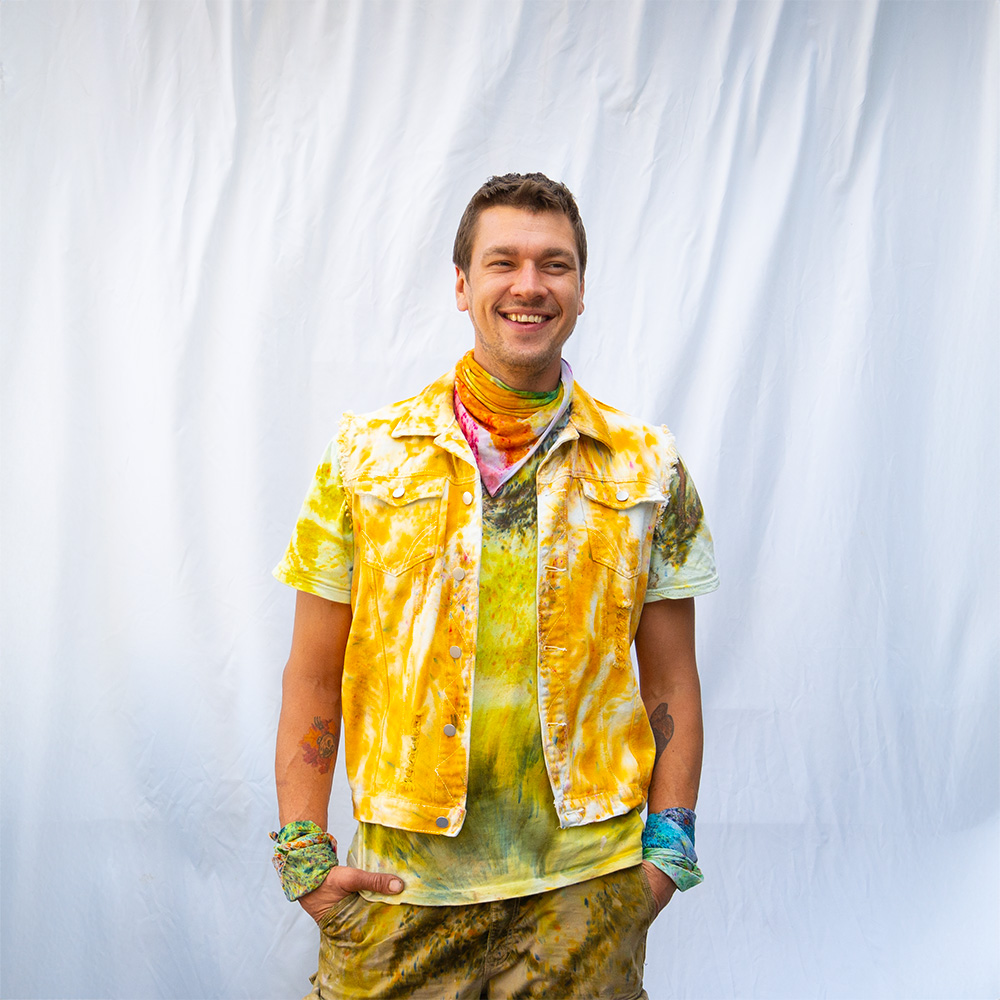
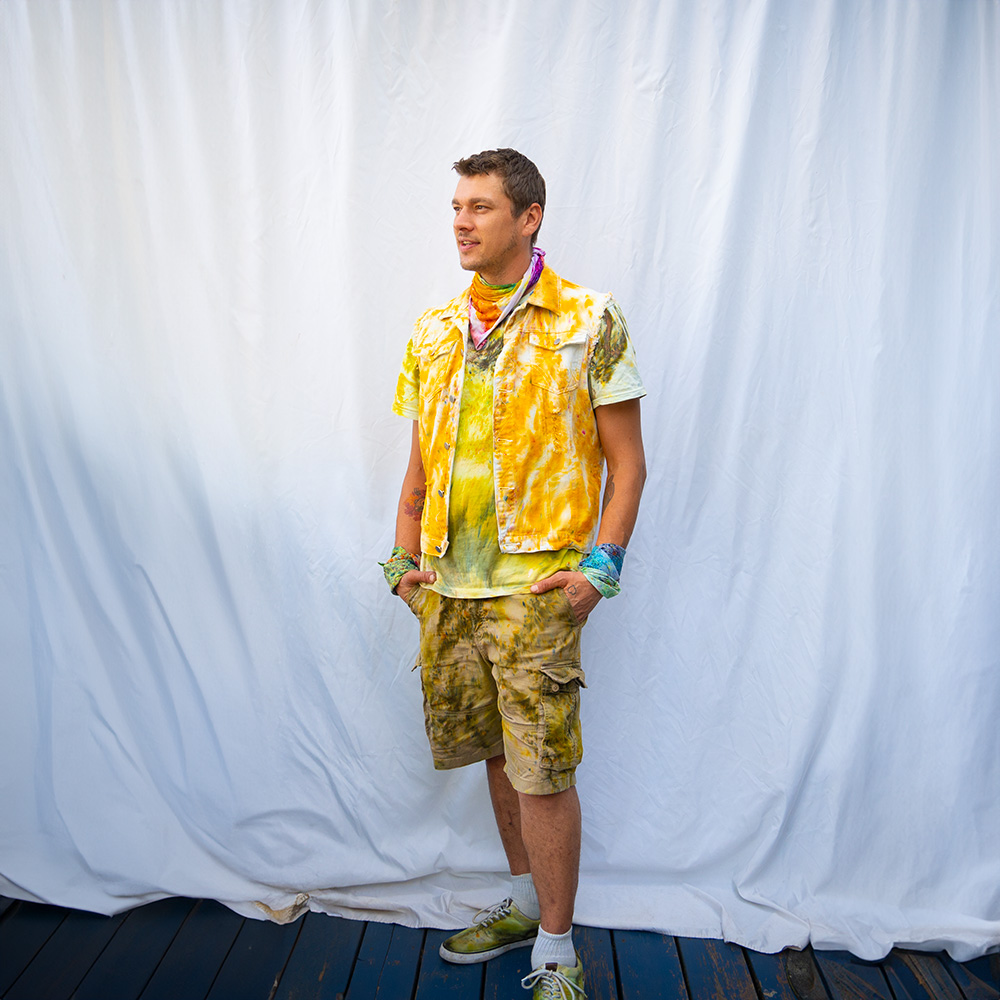
In my dash-dye process, stains are starting points. A stray splash of dye or an uneven fold becomes a pattern no one could have planned. It’s the same with old clothes. A grease spot on a work shirt or a faded patch on a favorite dress disappears into the color, and the piece gets a second life. That’s the whole idea behind Workwear Revival: stains become pattern.
How to turn a stain into a pattern
- Choose a piece you stopped wearing because of a stain or a flaw. Plant fibers like cotton and rayon work best.
- Wash it and leave it damp. The stain doesn’t need to come out.
- Dash a deeper color right over the stain, then let a lighter or splitting color travel around it.
- Let it set overnight and rinse. Look for where the stain went. Most of the time, you won’t be able to find it.
Every step is on How to Dash Dye, and you can bring your stained pieces to a Dash & Bag Day ($10 per item). More in Upcycling Something From Your Closet.
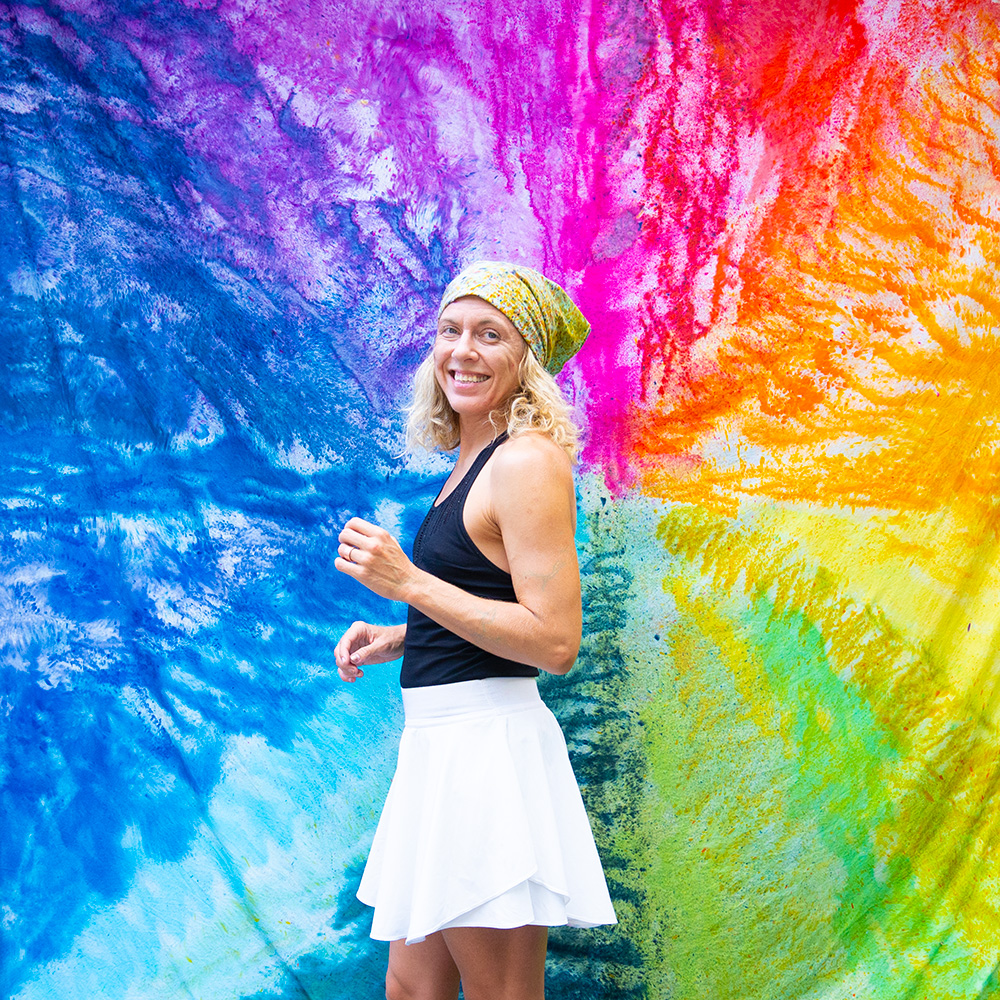
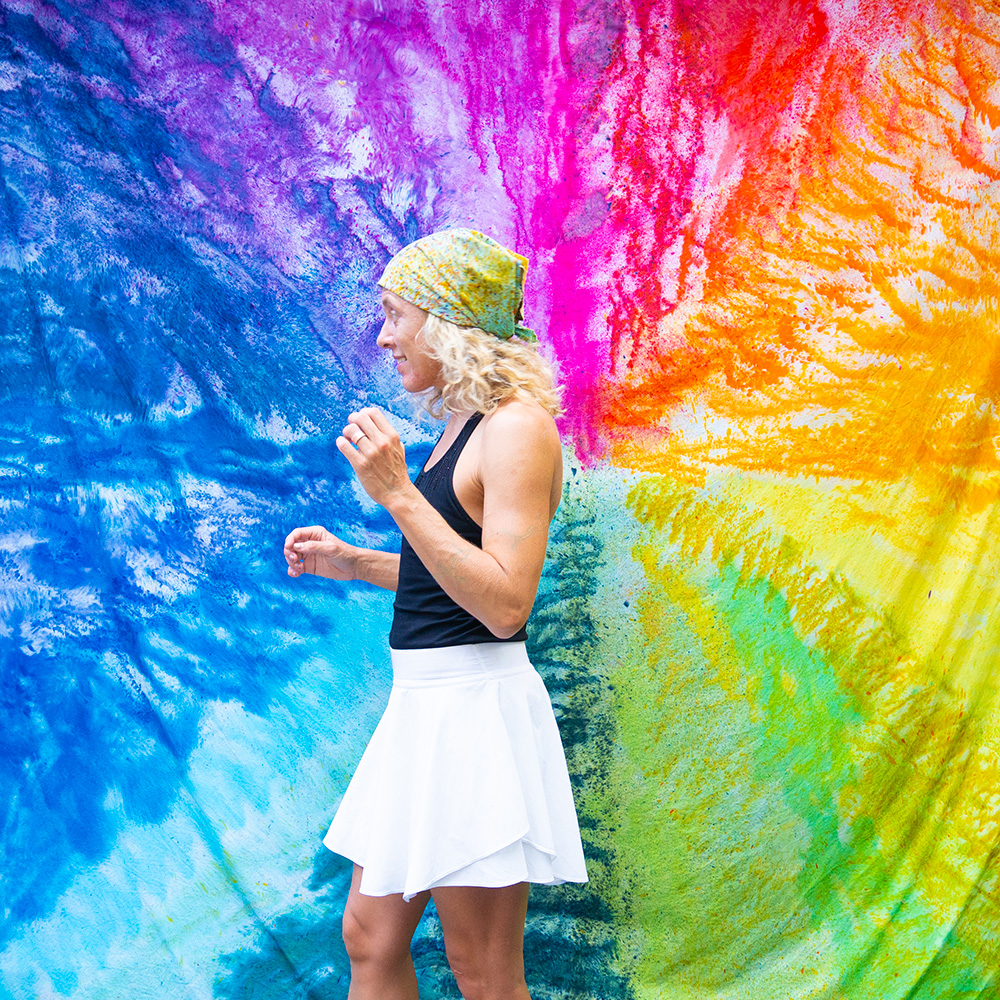
Embrace the stains in your life, too
Life’s imperfections, the messy, the awkward and the unexpected, are usually treated as flaws to hide. But what if we treated those stains as places where something new could begin?
For years, I used alcohol to soften my imperfections. It let me show up messy without ever really accepting the mess. Now I show up sober, messy and human, and in doing that I’ve found a deeper and more sustainable joy than anything I had before. I share more of that story in Recovery Through Practice.
True joy isn’t about perfection or controlling every detail. It’s about radical acceptance: of your flaws, your stains and your story. When we accept who we are, we gain the freedom to create, connect and grow.
Small ways to cultivate joy
Accepting the stains is the foundation. Joy itself grows through small, intentional practices:
- Allow yourself pleasure, especially in hard seasons.
- Make time for what lights you up: a hobby, dancing, cooking, a game.
- Spend time with people who lift you up.
- Notice what you’re grateful for, however small.
- Be kind. Small kindnesses ripple outward.
- Care for your body in ways that feel nourishing, not punishing.
- Pause and savor the moment through breath, journaling or a slow walk.
- Focus on what you can control, and let the rest go.
- Invest in experiences. Shared moments tend to bring longer-lasting joy than things.
Try this
Find a piece of clothing you stopped wearing because of a stain or a flaw. Instead of throwing it out, set it aside for your next dye session. Before you dye it, write one sentence about something in your own life you are learning to stop hiding. Dye the piece with that sentence in mind.


Normalize being human
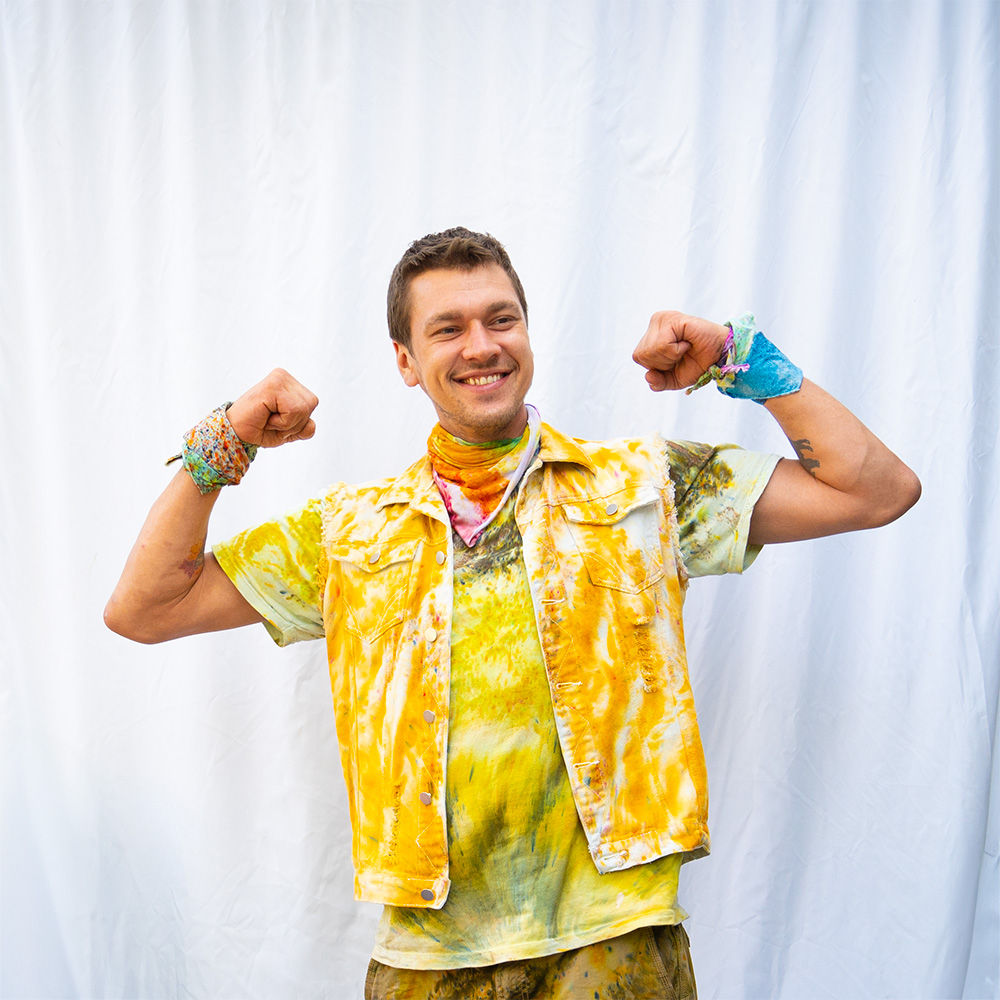
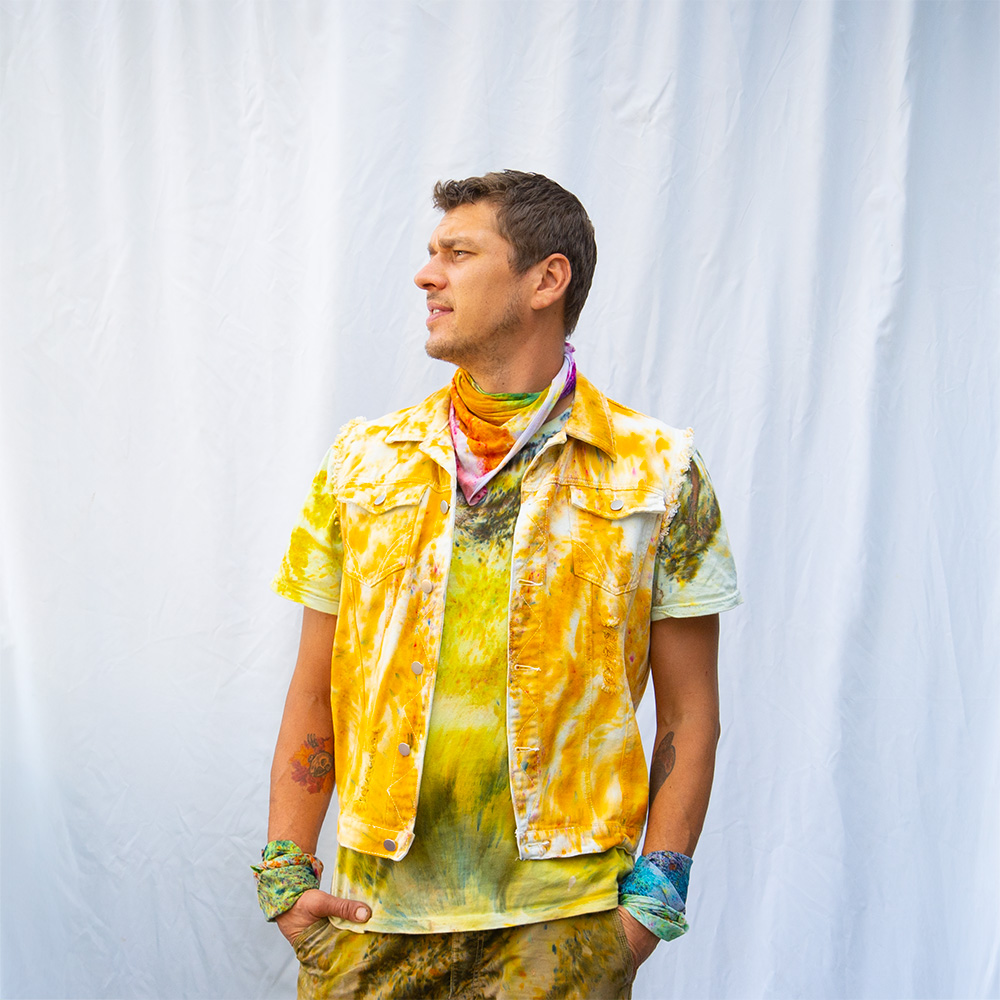
Joy also comes from normalizing what it means to be human: messy, imperfect and still worthy. I wear my dash-dyed pieces as a way of saying that out loud. Each one is imperfection turned into art, and a reminder that it’s okay to pursue what makes you happy, even if it looks like a stain to someone else.
When you show up honest and a little messy, you give others permission to do the same. You make room for real connection, creativity and joy.
So wear your colors. Pursue the art that lights you up. Celebrate the beauty of your imperfections. Joy isn’t about erasing the stains. It’s about transforming them into something extraordinary.
Begin here
Begin with one color
You don’t need a plan or a diagnosis to start. You need a few swatches and a body that’s willing to listen. Come find out what your hand reaches for, in a quiet one-on-one session or with activated dyes at home.
More joy is possible.