
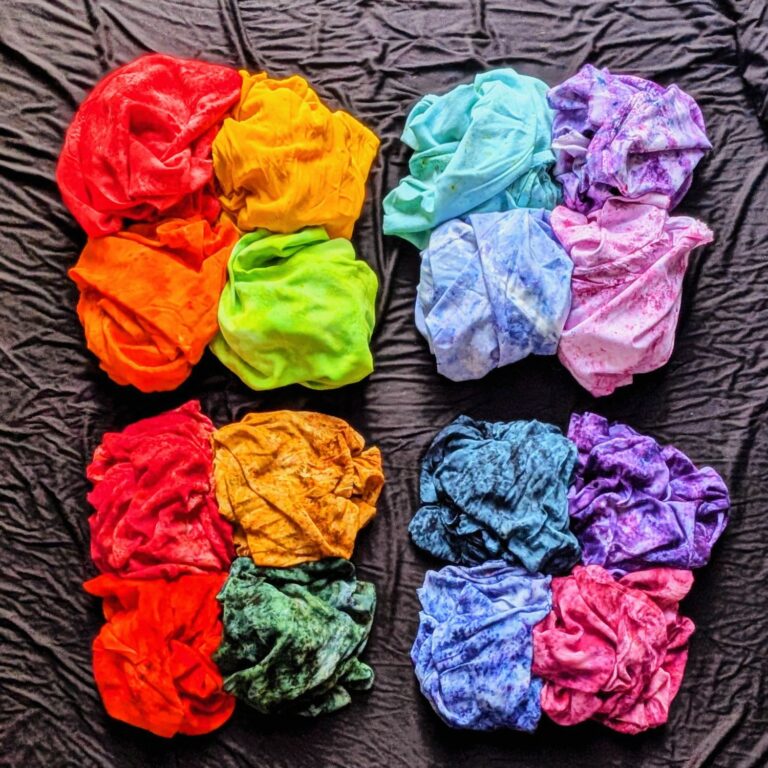
Your favorite color tells you what you love. Your season tells you what loves you back.
Seasonal color analysis is a way of finding the colors that harmonize with your natural coloring: your skin, hair and eyes. It became popular in the 1980s with books like Color Me Beautiful, and it has come back in a big way, because it works. When you wear your season, your skin looks clearer, your eyes look brighter and getting dressed gets easier.
How seasonal color analysis works
Each season is a combination of the three dials from earlier in this series:
- Temperature: warm or cool (Color Temperature)
- Value: light or deep (Color Value)
- Chroma: bright or soft
| Warm | Cool | |
|---|---|---|
| Bright and clear | Spring | Winter |
| Soft and muted | Autumn | Summer |
Each season also lines up with one of the four states of color: Spring with hues, Summer with tints, Autumn with tones and Winter with shades.
Tap a season to jump to it.
Spring: warm and clear


Spring colors are hues: pure color with nothing added. They are clear, bright and warm, like new growth and the first daffodils. When a Spring finds their colors, people don’t say “nice shirt.” They say “you look rested.”
You might be a Spring if gold jewelry looks like it belongs on you, ivory is kinder to you than stark white, and muted, grayed colors make you look tired.
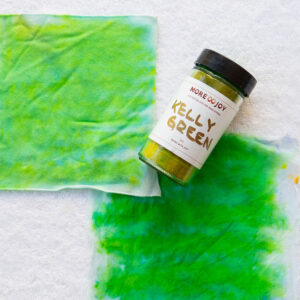
- Core: Tangerine, Daffodil, Kelly Green, Coral Pink
- Neutrals: Ivory, Camel, Chamois
- Your pop: Electric Green
- Skip: dusty, grayed colors and heavy black




Summer: cool and soft


Summer colors are tints: cool colors lifted with white. They feel like mist, water and morning light. Summers glow in gentle color and get drowned out by anything loud.
You might be a Summer if silver and pearl suit you better than gold, soft gray and dusty blue make your eyes look clearer, and orange or golden yellow makes your skin look sallow.
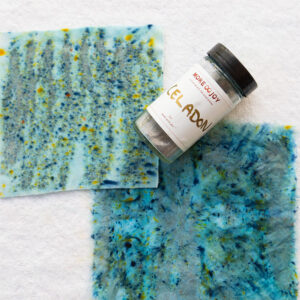
- Core: Sky Blue, Lavender, Celadon, Powder Pink
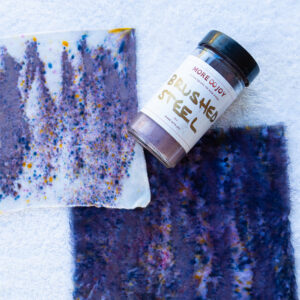
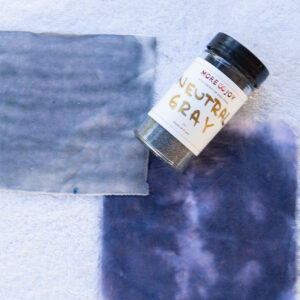
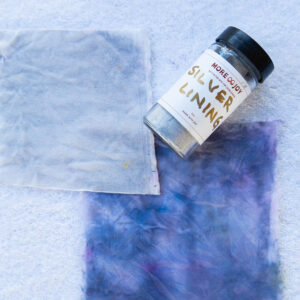
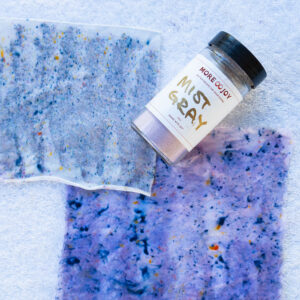
- Neutrals: Mist Gray, Silver Lining, Brushed Steel
- Your pop: Plum Blossom
- Skip: neon, orange and golden yellow

Autumn: warm and muted


Autumn colors are tones: warm colors softened with gray or brown. They echo harvest fields, falling leaves and weathered wood. On an Autumn, rust and olive look like they grew there.
You might be an Autumn if gold, brass and bronze feel like home, cream and warm brown flatter you more than white and black, and neon washes you out.
- Core: Terracotta, Marigold, Moss Green, Oxblood Red
- Neutrals: Khaki, Golden Brown, Chocolate Brown
- Your pop: Sea Glass
- Skip: icy pastels and stark black and white


Winter: cool and deep


Winter colors are shades: cool colors deepened toward black. They are bold, precise and a little dramatic. Winters can carry high contrast that would overwhelm anyone else.
You might be a Winter if silver and platinum look crisp on you, black and stark white wear well, and jewel tones make people notice your eyes.
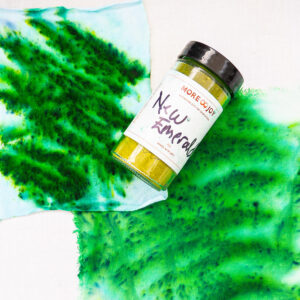
- Core: Royal Blue, New Emerald Green, Magenta Galactica, Imperial Purple
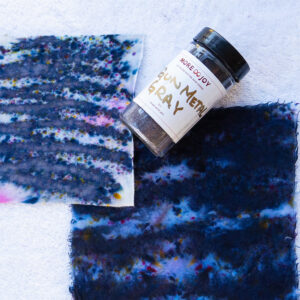
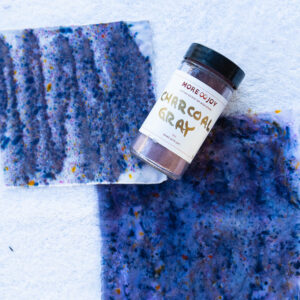
- Neutrals: New Black, Charcoal Gray, Navy Blue
- Your pop: Fuchsia Red
- Skip: orange, camel and muted earth tones
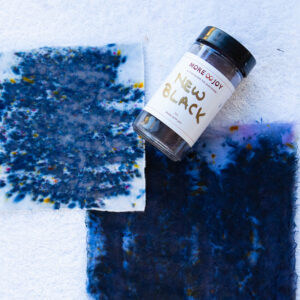
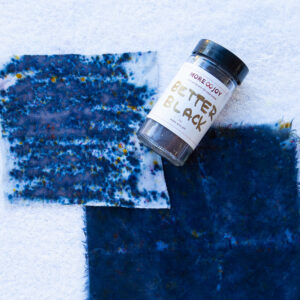
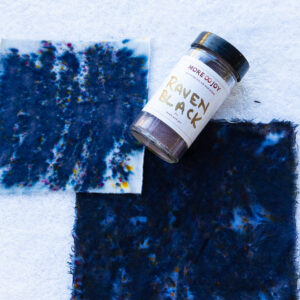
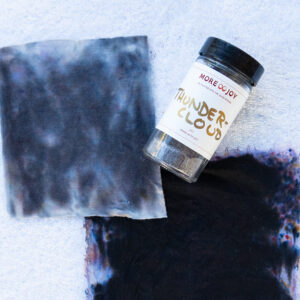
Your neutrals
Neutrals are the foundation of a wardrobe, the quiet pieces that let your statement colors shine. Not every neutral works for every person.
- Warm neutrals (Springs and Autumns): Ivory, Ecru, Camel, Chamois and the golden browns.


- Cool neutrals (Summers and Winters): Mist Gray, Charcoal Gray, Blue Gray, Navy and the true blacks.


How to find your season
Answer these three questions, then find your season in the table above.
- Warm or cool? Does gold or silver look more natural on you? Is ivory or stark white kinder to your skin?
- Bright or soft? Do clear, saturated colors make you look vibrant, or do they overpower you? If muted, dusty colors look better, you’re soft.
- Light or deep? Look at the overall depth of your hair, eyes and skin together. Springs and Summers tend to look best in lighter colors. Autumns and Winters can carry more depth.
If you’re not sure, our Find Your Season page walks you through it, and a Color Revival session answers it in person with real swatches against your skin.
Between two seasons
Your season is a starting point, not a rulebook. Many people sit near the border between two, which is why some systems split each season into three (like Light Spring, Warm Spring and Bright Spring).
- A Spring with more depth borrows from Autumn.
- An Autumn with more brightness borrows from Spring.
- A Summer with more contrast borrows from Winter.
- A Winter with softer coloring borrows from Summer.
The fastest way to know is to hold the swatches against your skin. And remember: your season tells you what flatters you, not what you’re allowed to wear. If you crave a color outside your season, wear it lower on the body, or pair it with your best neutral near your face.
Color Revival
Feel it against your own skin
Color makes the most sense on your body, not on a screen. A Color Revival starts with getting to know you. We take a snapshot of your wardrobe, then use my bird books, the elements or color theory as a guide to dye six pieces that mix and match, shining your right light. Or start at home with activated dyes, ready to dash with just water.
More joy is possible.