Green — More ∞ Joy
Green: The Intelligence of Growth
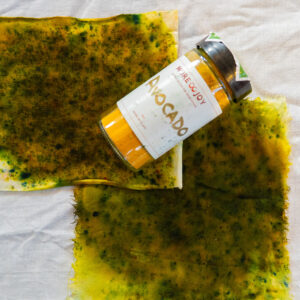
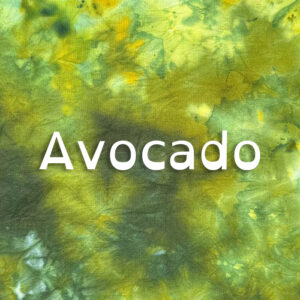
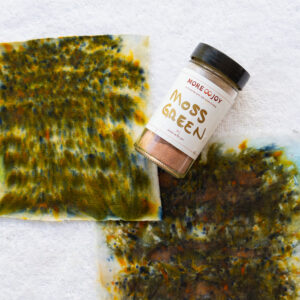
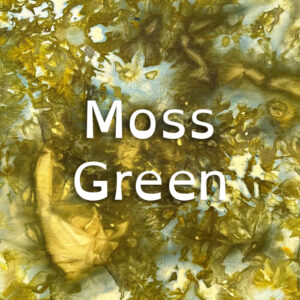
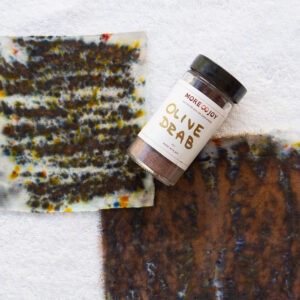
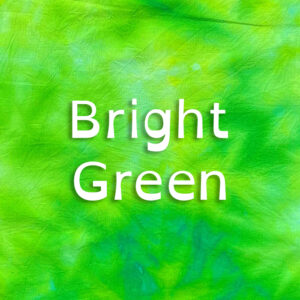
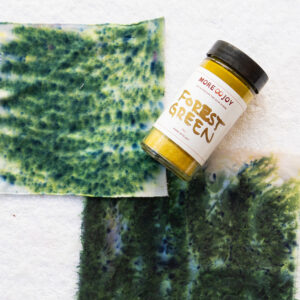
Green is the most restful color for the human eye — it sits at the exact center of the visible spectrum and requires no adjustment to process. It's the color of living things, of growth, of safety. Yellow-greens like Lime Pop and Chartreuse feel energizing and new; deep greens like Forest Green and New Emerald Green feel grounded and strong; muted olives like Avocado and Moss Green feel earthy and complex.
Reach for it when
- You need to restore and regulate your nervous system
- You're in a healing or transitional period
- You want to feel grounded without withdrawing
Let it rest when
- You need high energy and impact — green recedes rather than commands
- You want to stand out rather than harmonize
More ∞ Joy dyes in this family
Hue Position
Green occupies the center of the visible spectrum (520–560nm) and is processed by more photoreceptors than any other color. It is the most restful hue for the eye.
Undertones
Warm greens lean toward yellow (lime, olive). Cool greens lean toward blue (forest, emerald).
Chroma Range
From soft & muted (earthy, wearable) to vivid & clear (bold, expressive) — 18 shades spanning the full spectrum.
Frequency
520–560nm. Center of the visible spectrum, processed by more photoreceptors than any other color.
Color History
A History Written in Green
Green has always been the most available and most elusive pigment simultaneously — plants surround us, yet their green dies with them, impossible to fix permanently until modern chemistry. Ancient Egyptians used malachite to paint green, while the Romans ground verdigris (oxidized copper) into frescoes. Emerald green — copper acetoarsenite — was the first brilliant synthetic green when introduced in the early 19th century, and it was toxic enough to kill slowly: Napoleon’s wallpaper in St. Helena may have contributed to his death. Viridian, developed in the 1850s, was the first truly stable brilliant green. In Japan, the same word — ‘ao’ — traditionally described both blue and green, suggesting the two were once considered one continuum of nature’s hues.